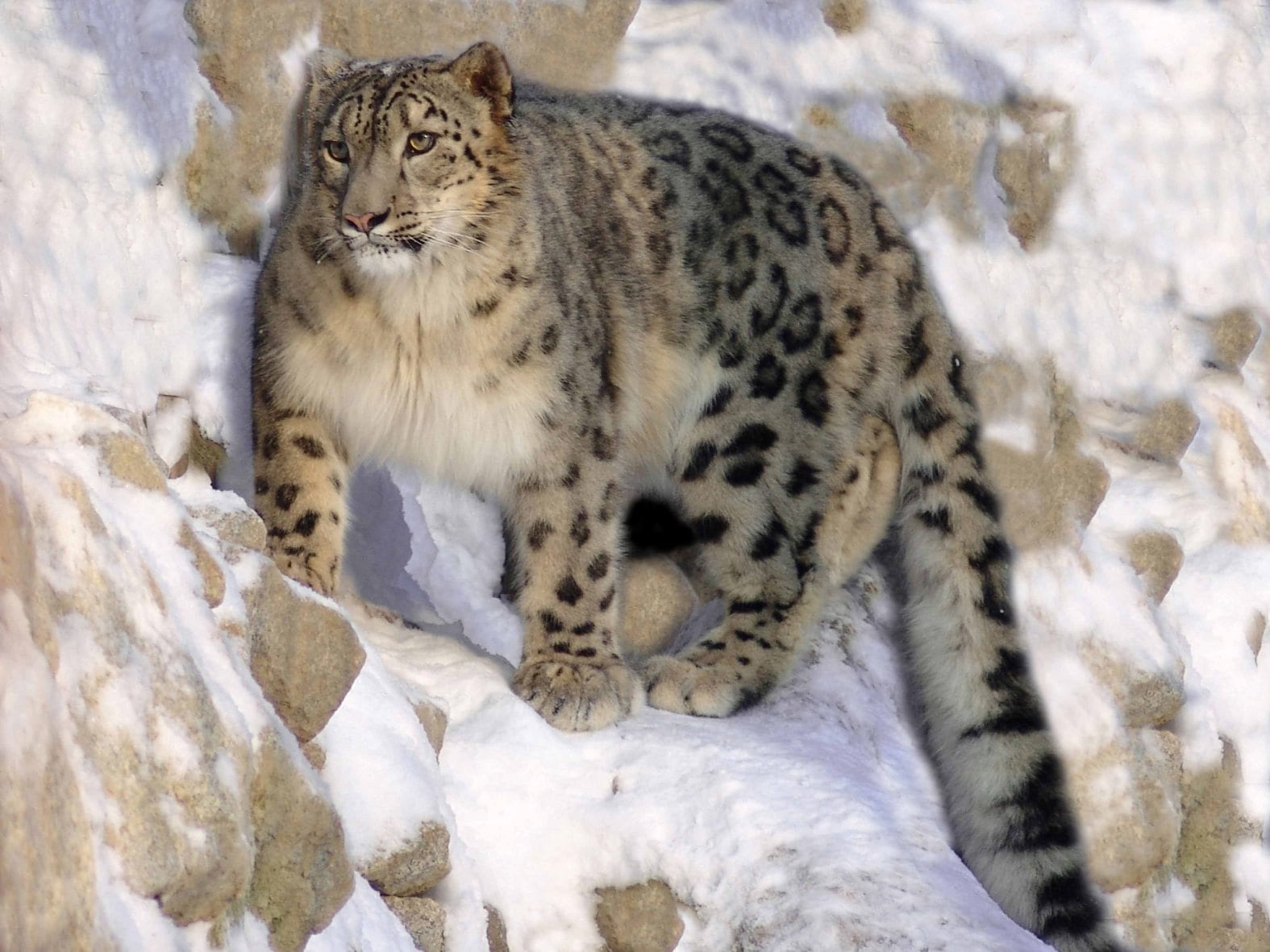
High above the treeline, where the air thins and the wind scours the rock to bare stone, a cat moves so quietly the mountain itself seems to be breathing. The snow leopard has lived in these places for two million years, long enough for the body to have rewritten itself around the cold. The tail is nearly as long as the body — a wool blanket the cat wraps around its face at night, a counterweight on cliffs no other predator dares.
For most of human history, the snow leopard was a rumour. Herdsmen spoke of a grey ghost that took goats and vanished into snow. The first photographs only came in the 1970s. Even now, a wild snow leopard is something most biologists never see — they study tracks, scat, and the silent gaze of camera traps. The mountain keeps its secret well.
A grey ghost that takes goats and vanishes into snow.
Where it lives
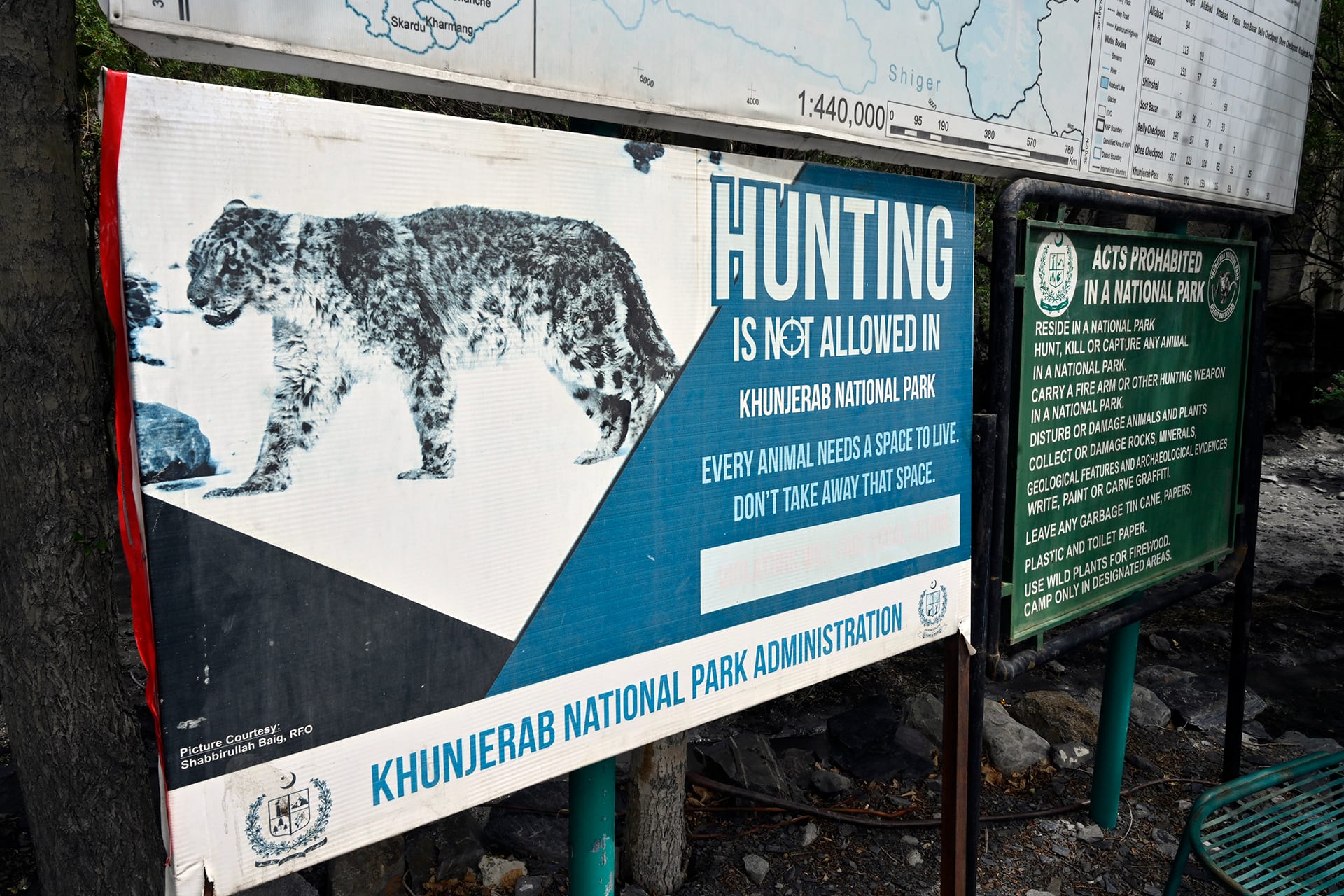
Snow leopards range across twelve countries, from the Hindu Kush in the west to the Sayan Mountains of southern Siberia. Their preferred elevation — 3,000 to 4,500 metres — is a cold, rocky world of broken ridgelines and shallow soil. Prey here is sparse: blue sheep, ibex, marmots, the occasional young yak. A single cat may walk a home range the size of a small country, following the seasons up the mountain in summer and down toward the valley rim in winter.
Built for cold
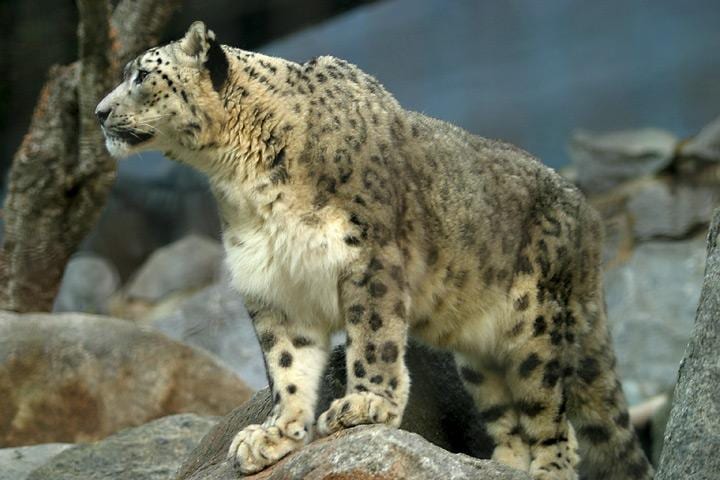
Almost everything about a snow leopard is an answer to altitude. The nasal cavity is enlarged so that breathed-in air can be warmed before it reaches the lungs. The paws are oversized and densely furred, working as natural snowshoes. The coat — smoky grey above, white below, scattered with black rosettes — is so dense that snow rarely melts against it. And then there is the tail, almost a metre long, used for balance on cliffs and as a scarf in the den.
Why it matters
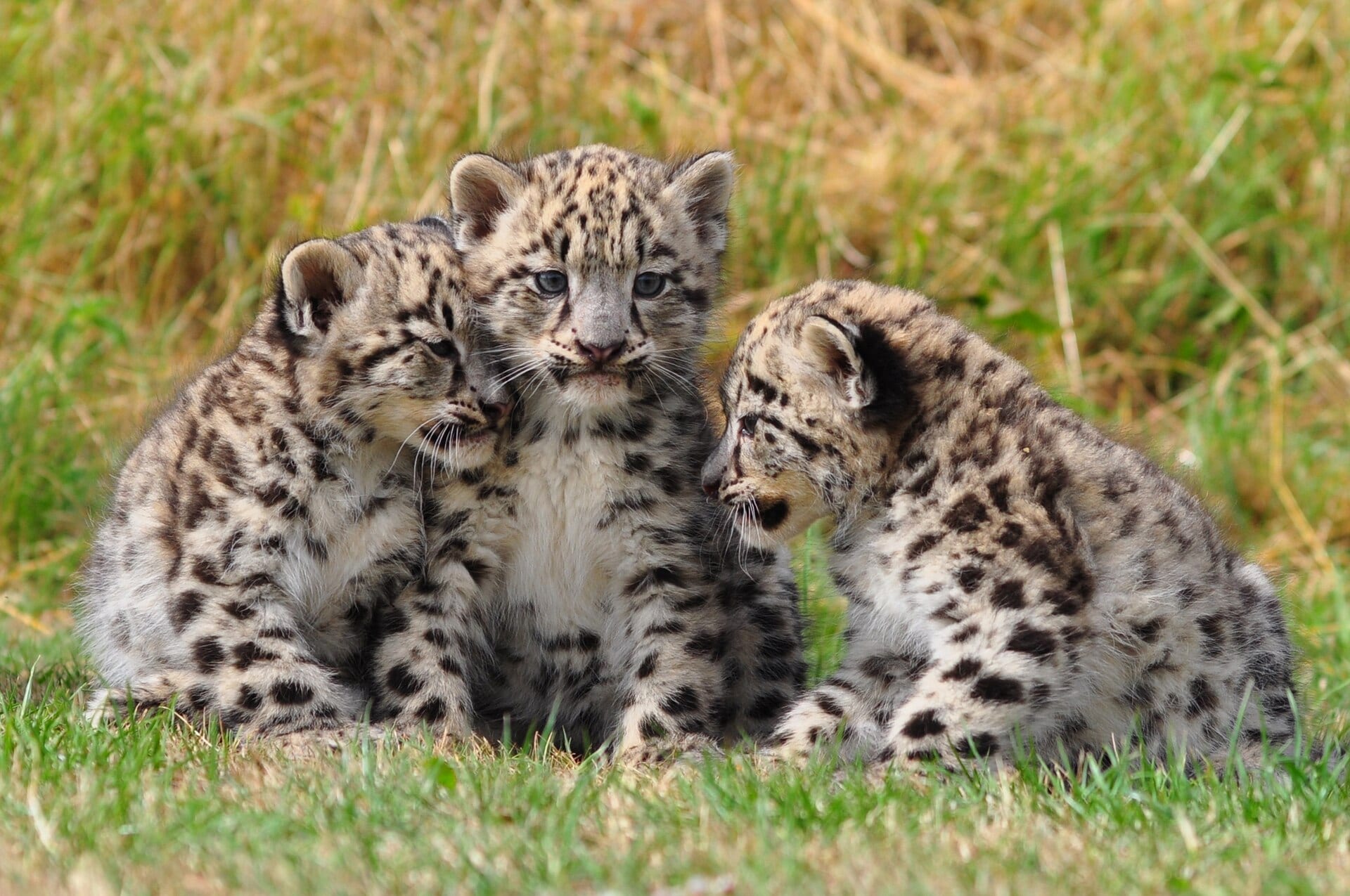
The IUCN lists the snow leopard as Vulnerable. Estimates put the wild population at between 4,000 and 6,500 — though the species is so elusive that no one is certain. The threats are familiar: poaching for fur and bones, retaliatory killings by herders who lose livestock, and a steadily warming climate that pushes the cat's prey ever higher up mountains that have no higher left to go. Twelve countries have signed a joint conservation programme. Whether it is enough remains an open question.